Baby Tears Plant Care Fertilizer
Baby tears need a general balanced fertilizer. You can find all details on this in the article co2 in the plant aquarium.

Baby tears.... Plants
Fertilization with co2 is also essential.

Baby tears plant care fertilizer. Commonly known by the name of baby tears, this is one plant that looks extremely delicate and dainty no matter where you keep it. Occasionally misting a pilea depressa baby tears is a good idea. One rule of thumb is to water the plant when the soil an inch or so below the surface is beginning to dry out.
If the soil stays too wet, the stems quickly rot. Any of these fertilizers may be used when planting pilea baby tears plants. Dwarf baby tears can take time to become established, but with regular pruning and optimal conditions, this small species will form a dense, bright green carpet over the.
Watering from below is highly recommended with baby’s tears (with the help of a special saucer) keep the temperature steady throughout the year; Once dwarf baby tears are established in your tank (again, i suggest the dsm), they’re pretty low maintenance. It is essential to ensure that any moisture on.
Babys tears plant baby tears plant. You’re still going to need to dose liquid fertilizers, run your co2, and keep your lights on at least 12 hours per day. The rapid growth of the plant can only work with the support of co2.
This can cause some algae issues, but it. Baby tears can grow outdoors at 50 to 70 degrees f. Any type of fertilizer offers nutrients that help plants with the transition to a new environment.
However, do make sure that the plant sits in moderate air circulation. Feed every two weeks in the spring and summer when a baby's tears plant is actively growing. Is baby’s tears easy to care for?
It is an evergreen flowering plant that requires little to no fertilizer—you can simply use a common houseplant fertilizer once a month if you wish to. A bit of perlite added to the soil will help drainage. Only fertilize your baby’s tears between autumn and spring.
Liquid fertilizers are the best choice, as they are easier to dilute. Decrease feedings by late fall and allow your plant to rest through the winter months. Use a basic houseplant fertilizer.
Always keep the soil of a baby tear's plant moist but never soggy. The plant does not require pruning unless you wish to see it grow in a particular pattern and is best propagated through water propagation. These things will increase and regulate the moisture level for your baby tears.
Never let this plant get wet feet. Baby’s tears is also great for a terrarium, as the environment within the glass keeps the atmosphere constantly humid. When you plant baby tears, be sure that the soil you plant it in is rich with compost, or even manure.
Cuba is often regarded as one of the best carpeting plants in the hobby, although the care difficulty level is medium and it. Baby’s tears grow very quickly, can overcome some frost, and they’re even able to. As such, you want to supply it with the proper nutrients to stay lush.
From a distance baby’s tears could easily be confused for moss, its low habit and dense mat of dainty little leaves cover the ground like a carpet. Its delicate charm conceals a surprisingly rugged plant. A liquid fertilizer or one mixed with water is easiest to measure and apply, and it evenly distributes nutrition to the roots.
This plant requires a rich soil to grow in. Osmocote indoor/outdoor is an option as a granular, slow release fertilizer that can be applied while potting and planting. Use a basic houseplant fertilizer.
You should fertilize with a liquid micro and macro fertilizer. Baby tears plants and growing guide 1. The list of the names given to this plant is very long and includes names like angel’s tears, mother of thousands, friendship plant, bread and cheese, corsican creeper, bits and pieces, corsican curse, pollyanna vine, paddy’s wig, and many others.
To do so, apply a balanced fertilizer every two weeks during the spring and summer. Dilute the fertilizer to half or even a quarter of what the label recommends. Use a balanced houseplant fertilizer diluted at half strength every two weeks during this time to support the plant’s growth and development.
Baby’s tears is definitely a good plant. Hemianthus callitrichoides, also known as dwarf baby tears, is a slow to moderate growing plant that originates in cuba. Simply take a water spraying bottle and spray a generous amount on the plant’s leaves.
Dwarf baby tears is a vibrant green flowering plant with little round leaves and creeping stems that spreads throughout the bottom of the tank. Any commercial potting soil is suitable for growing baby tears as houseplants or in containers. This is when it’s most actively growing.
If the soil stays too wet, the stems quickly rot. While the plant has vigorous growth by its very nature, baby tears plants kept indoors will benefit from a little fertilizing, especially during spring and summer, when the plant is actively growing. People also ask, how do you take care of a baby tears plant?
It’s typically grown for its ornamental foliage. Apply after watering or when the soil is already moist to. Click to see full answer.
You can fertilize monthly in the growing season. Feed every two weeks in the spring and summer when a baby's tears plant is actively growing. A baby’s tears plant, soleirolia helxine, is a delicate looking house plant that resembles a mat or carpet of tiny, green leaves as it spreads over the sides of its pot.
Always keep the soil of a baby tear's plant moist but never soggy. Co2 is the most important building block in plant growth. Fertilizer is needed to keep the baby’s tears plant’s foliage healthy and dense looking.
A rich soil amended with humus, compost, or manure will increase the nutrients available to baby's tears plants, and will also help to regulate the moisture level for plants.

hemianthus callitric hoides Live aquarium plants
Texas Sage My Landscape plants Pinterest
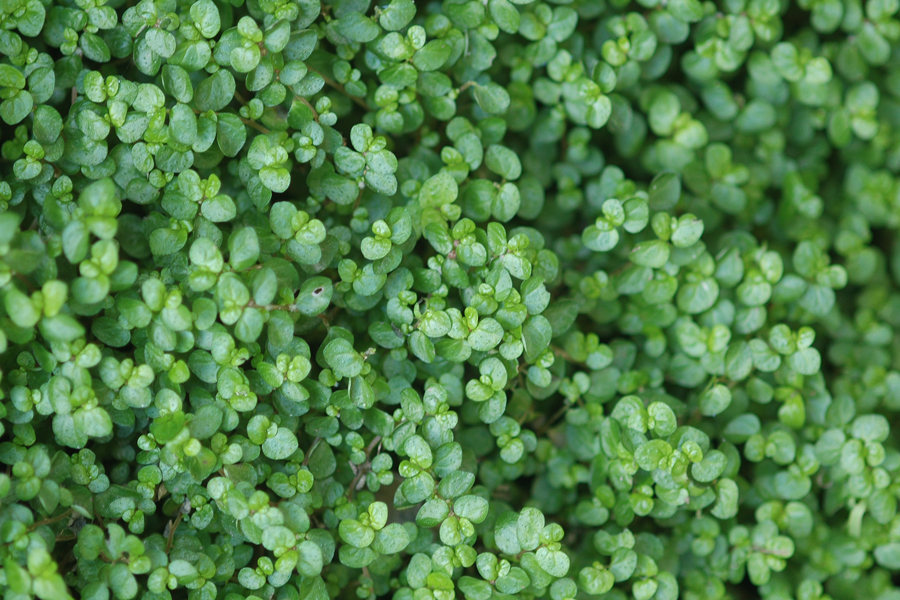

How To Propagate Baby Tears Houseplant Soleirolia

Baby Tears plant Plants, Herbs, Cactus

The Helxine soleirolii is a low growing plant often found

DWARF BABY TEARS, Hemianthus callitrichoides Dwarf baby

baby’s tears Plants, Garden

Green Baby Tears Plants delivered, Green baby, Houseplants

Baby Tears are also called Angel Tears Soleirolia

Dwarf Baby Tears Hemianthus Callitrichoides Potted Live

How To Grow Dwarf Baby Tears " Hemianthus

Baby Tears Plant Care All About Growing Soleirolia

Baby's Tears Plant 'Green form' Helxine soleirolia

Golden Baby Tears Angel Tears Soleirolia soleirolii

A delicate Baby's Tears houseplant looks like a carpet of

Baby Tears House plants, Indoor plants, Succulents

Soleirolia soleirolii 'Baby Tears'. gardeningforbeginners

Bliss Gardens Air plants, Plants, Fertilizer for plants

Pin on Plants add to list
Post a Comment for "Baby Tears Plant Care Fertilizer"